Nils Becker · 7 September 2026
Lowvale Library's Digital Archive Project Sparks Renewed Interest in Local History
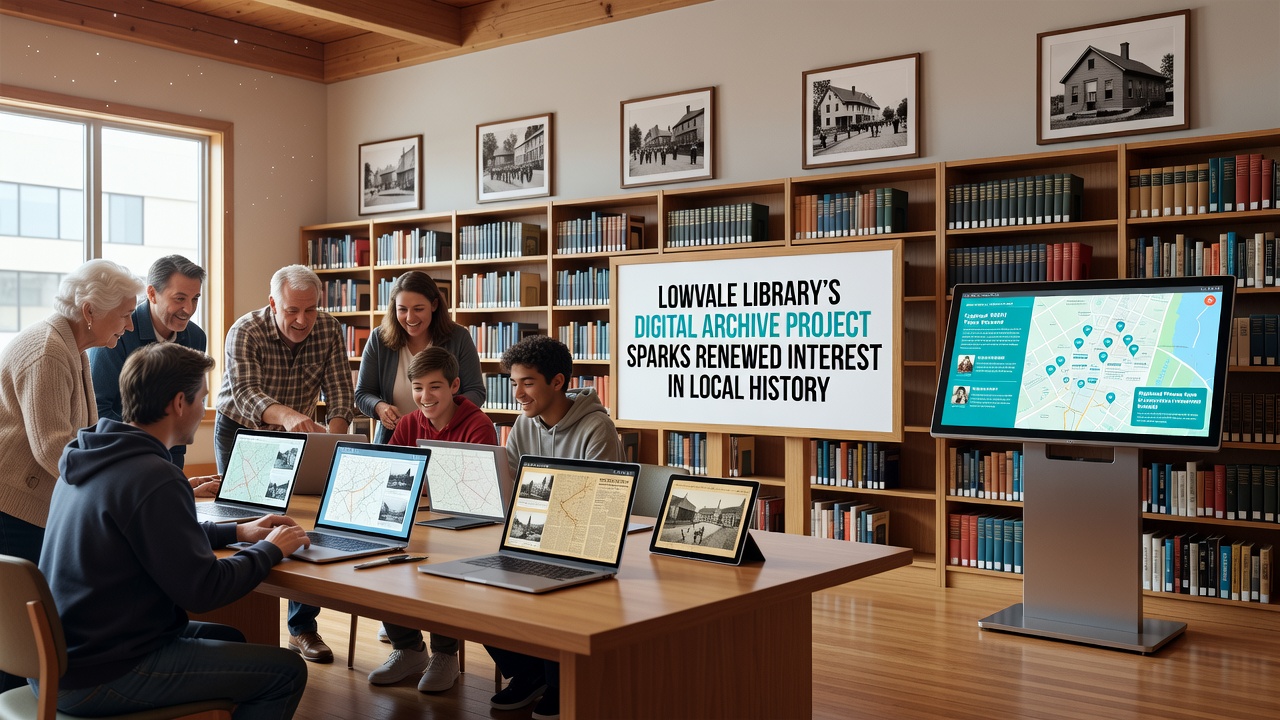
The Lowvale Library launched its Digital Archive Project in early 2025 to convert physical records spanning more than a century into accessible online formats, and this effort has drawn fresh attention to the town's past among residents and researchers alike. Staff members began by cataloging materials that include town meeting minutes from the 1890s, family photographs, and handwritten letters from local veterans, then moved these items through high-resolution scanning equipment before uploading them to a searchable database that launched publicly in March 2026.
Project Origins and Scope
Library administrators first identified the need for digitization after observing that many original documents showed signs of deterioration from repeated handling, while access requests continued to rise each year. Funding came through a combination of municipal grants and private donations that totaled $175,000, allowing the purchase of specialized scanners and software designed for archival preservation. The team prioritized items tied to key periods in Lowvale's development, such as the establishment of its first schoolhouse in 1887 and the expansion of rail lines that connected the community to larger markets by 1912.
By September 2026 the archive contained over 4,200 digitized items, with metadata tags added to each file to support keyword searches for names, dates, and locations. Volunteers from the local historical society assisted in transcribing faded text, which researchers later cross-referenced against county records to verify accuracy before final upload.
Digitization Process and Technical Details
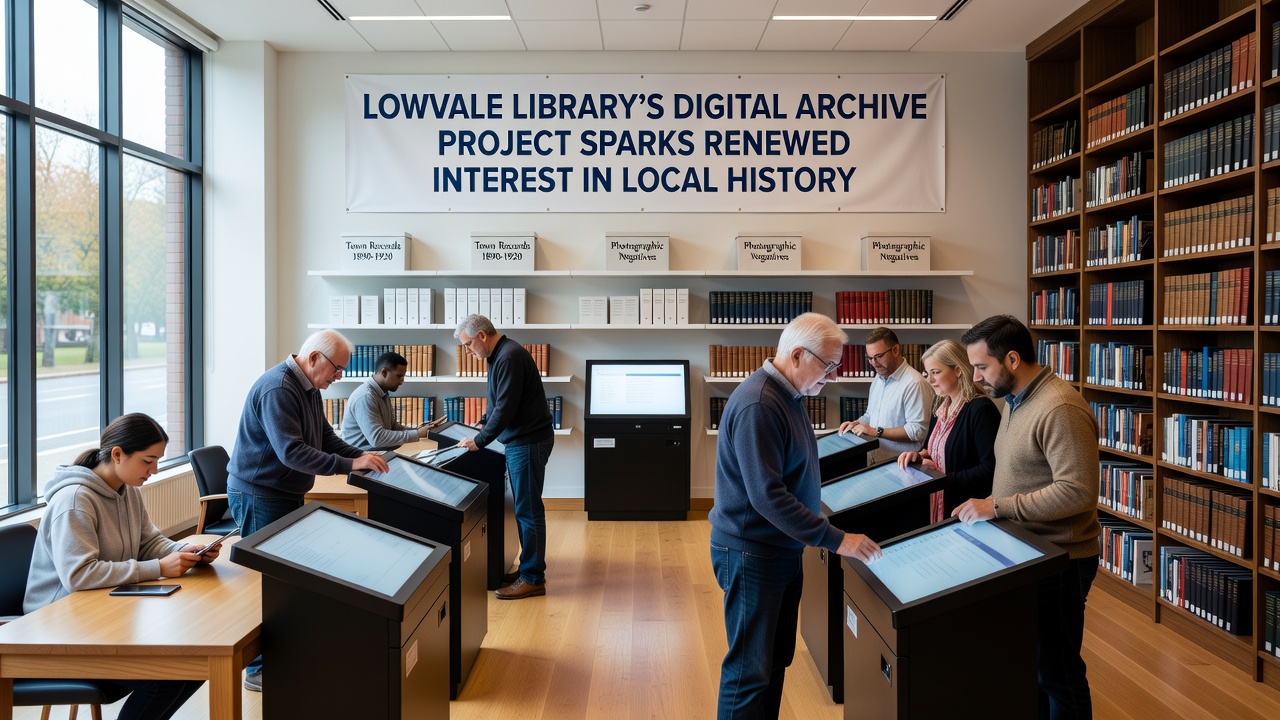
Technicians followed standards outlined by the U.S. National Archives for image resolution and file formatting to ensure long-term stability of the digital copies. Each document received both a master file stored on secure servers and a lower-resolution version optimized for public browsing, while backup copies reside at an off-site facility to guard against data loss. Optical character recognition tools converted printed and handwritten text into editable formats, although staff still performed manual reviews to correct errors common in older scripts.
Users can now filter results by decade or topic, and the platform includes a submission portal where community members contribute additional materials for review and potential inclusion. This feature has already added several previously undocumented images of the town's 1920s agricultural fair, expanding the collection beyond the original inventory.
Interest in local history grew noticeably once the archive went live, with monthly website visits climbing from 1,200 in April 2026 to 8,700 by August of the same year. Library records show a corresponding increase in in-person visits, as people arrived to view original artifacts after first encountering digital versions online.
Community Engagement and Discoveries
One family traced its lineage back to an early settler listed in an 1894 census document that had not been viewed publicly in decades, prompting a small reunion event at the library in July 2026. Teachers at the local middle school integrated selected images into lesson plans on regional development, and students submitted reports based on materials they located through the database. A separate partnership with a university in Canada provided comparative data on similar projects elsewhere, allowing Lowvale staff to refine their metadata practices using approaches tested in that study.
Public programs held at the library featured guest speakers who discussed specific themes drawn from the archive, such as changes in land use patterns over time. Attendance at these sessions averaged 65 participants, and organizers noted repeat visitors who returned to explore new uploads each month.
Broader Context and Future Steps
Similar digitization initiatives have appeared in other small towns, yet Lowvale's project stands out for its focus on integrating community contributions directly into the platform. Library leadership plans to expand the collection through 2027 by targeting oral history recordings and business ledgers that remain in private hands. Partnerships with regional museums may add further layers of context, including maps and artifacts that complement the existing documents.
Usage statistics continue to be tracked through built-in analytics, revealing that the majority of searches center on family names and property records. This pattern has guided decisions about which additional materials to prioritize for scanning in the coming months.
Conclusion
The Lowvale Library's Digital Archive Project has created a centralized, searchable resource that connects current residents with primary sources from the town's past, and the September 2026 milestone of reaching over 4,200 items demonstrates steady progress toward comprehensive coverage. Ongoing community involvement and technical refinements position the archive to support continued research and educational use in the years ahead.