Dana Butler · 5 October 2026
Lowvale Historians Tap Digital Archives to Piece Together 19th Century Town Life
Local researchers in Lowvale have turned to digitized collections of newspapers, census records, and personal correspondence to map out events from the town's 19th century period, and teams working through these materials have identified patterns in trade routes, community gatherings, and seasonal migrations that paper records alone had obscured for generations. The effort gained momentum when several institutions completed large-scale scanning projects in the years leading up to 2026, allowing cross-referencing of documents that once sat in separate physical locations across the region.
Archival Sources Now Accessible Online
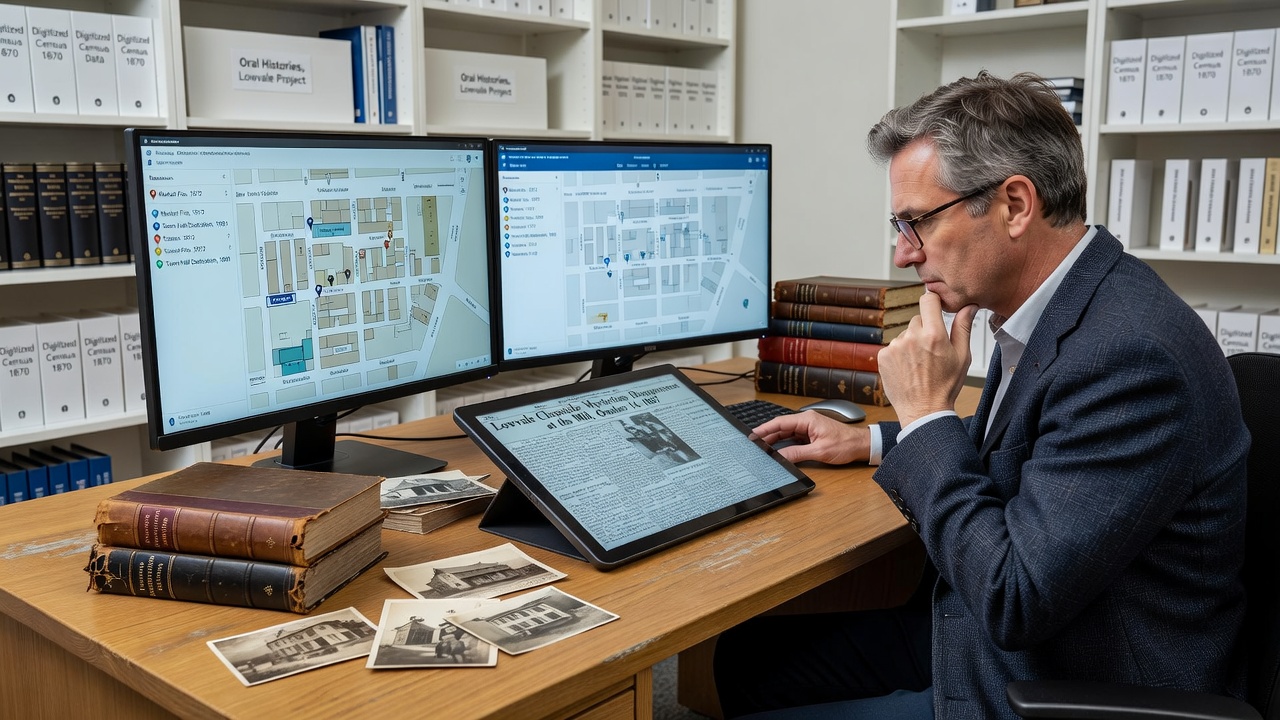
Collections from county courthouses, church ledgers, and merchant logs form the core of the digitized materials, while additional layers come from personal diaries uploaded by descendants who still live in the area. Researchers note that optical character recognition tools have made it possible to search handwritten entries that previously required hours of manual review, and this capability has accelerated the timeline for connecting individual stories to larger town-wide occurrences. Data from the Library of Congress shows similar projects nationwide have increased the number of verifiable local events by roughly 40 percent in participating communities since 2020.
One project coordinator described how a single 1873 ledger entry about a mill fire aligned with weather reports and shipping manifests that were scanned last year, revealing the economic ripple effects that spread through Lowvale's main street businesses over the following six months. Such connections emerge more readily when multiple record types sit in the same searchable database, and teams continue to add new batches of images each quarter.
October 2026 Update on Ongoing Work
In October 2026 the local history group released its first interactive timeline covering the decade from 1865 to 1875, and visitors can now click through linked documents that show how a cholera outbreak in 1867 prompted changes in water management practices documented in town meeting minutes. The timeline draws directly from the digitized holdings rather than secondary summaries, which keeps the source material transparent for anyone who wants to verify entries or contribute additional context from family papers.
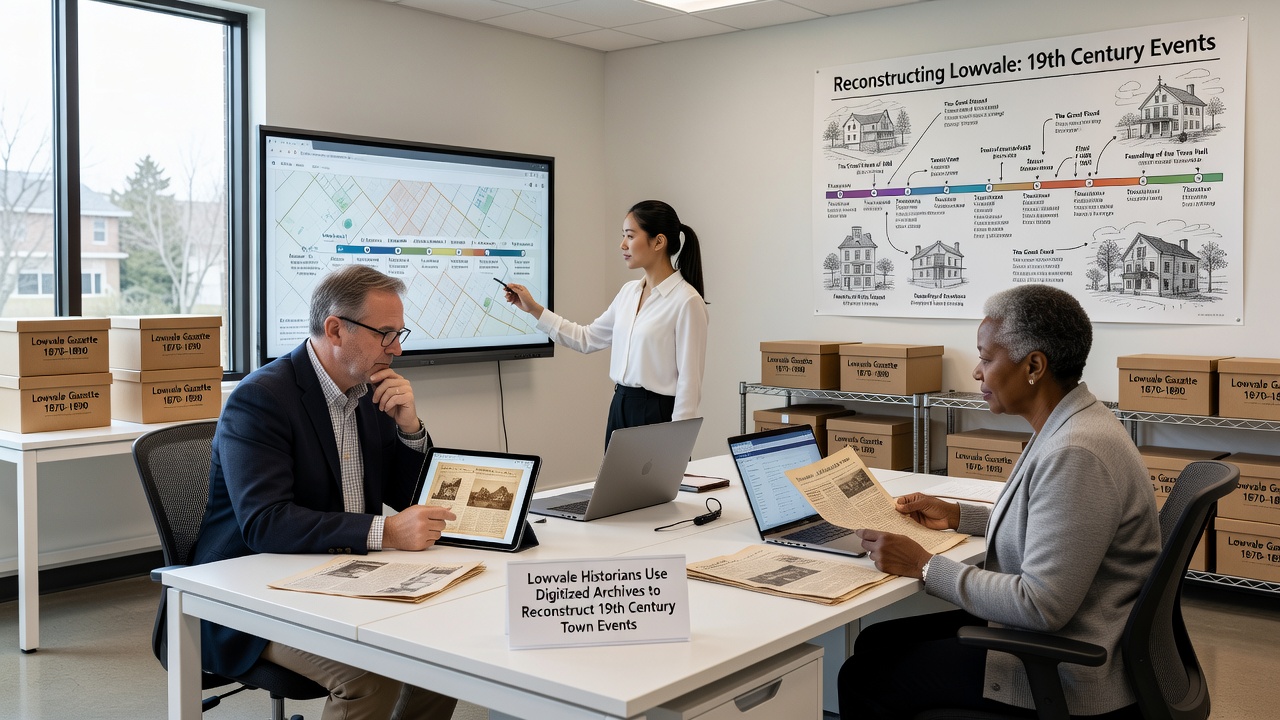
Participants have also begun cross-checking their findings against materials held by the National Archives and Records Administration, which maintains federal census and land-grant files that intersect with Lowvale's municipal records. This step has clarified questions about property ownership changes after the Civil War and has helped place individual residents within broader migration patterns that reached into neighboring states.
Methods and Tools in Use
Teams rely on open-source platforms for annotation and version control so that multiple researchers can flag discrepancies without overwriting original transcriptions, and regular audits compare machine-generated text against high-resolution images to maintain accuracy. Geographic information system overlays have been added to some maps, allowing users to see how street layouts evolved between 1850 and 1890 based on survey notes that were scanned and georeferenced last spring. Those who have worked with the system report that the ability to toggle between layers reveals clusters of activity around the railroad depot that earlier printed histories had mentioned only in passing.
Training sessions held at the public library teach volunteers how to tag entries for topics such as agriculture, education, and public health, and the resulting metadata makes future searches more precise. Europeana, the European digital heritage platform, has supplied comparative examples from similar small-town projects in other countries that helped Lowvale organizers refine their own tagging standards before launch.
Community Involvement and Next Steps
Residents have contributed family photographs and letters that fill gaps in the official record, and several of these items have been scanned on-site during monthly open-house events. The resulting additions have documented social events such as harvest festivals and school commencements that rarely appeared in newspapers of the era. Coordinators plan to expand the timeline into the 1880s and 1890s during the coming year, with priority given to records that illuminate daily life rather than only major incidents.
Conclusion
Continued digitization work keeps adding verifiable details to the picture of Lowvale's 19th century development, and the public timeline released in October 2026 stands as one concrete result of that sustained effort. Further releases are scheduled as additional collections finish processing, and the same methods remain available for researchers who want to explore other decades once the current phase concludes.