Noah Meier · 21 September 2026
Exploring the Ecological Ripple Effects from Lowvale's Recent Cleanup Campaign
Lowvale's community cleanup drive began in early 2026 and focused on removing accumulated waste from riverbanks, woodlands, and urban green spaces around the town. Organizers coordinated efforts with local residents and environmental groups to target areas that had seen years of litter buildup and discarded materials. By September 2026 monitoring teams reported measurable shifts in several habitat indicators that extended beyond the obvious removal of visible trash.
Water Systems and Aquatic Life Recovery
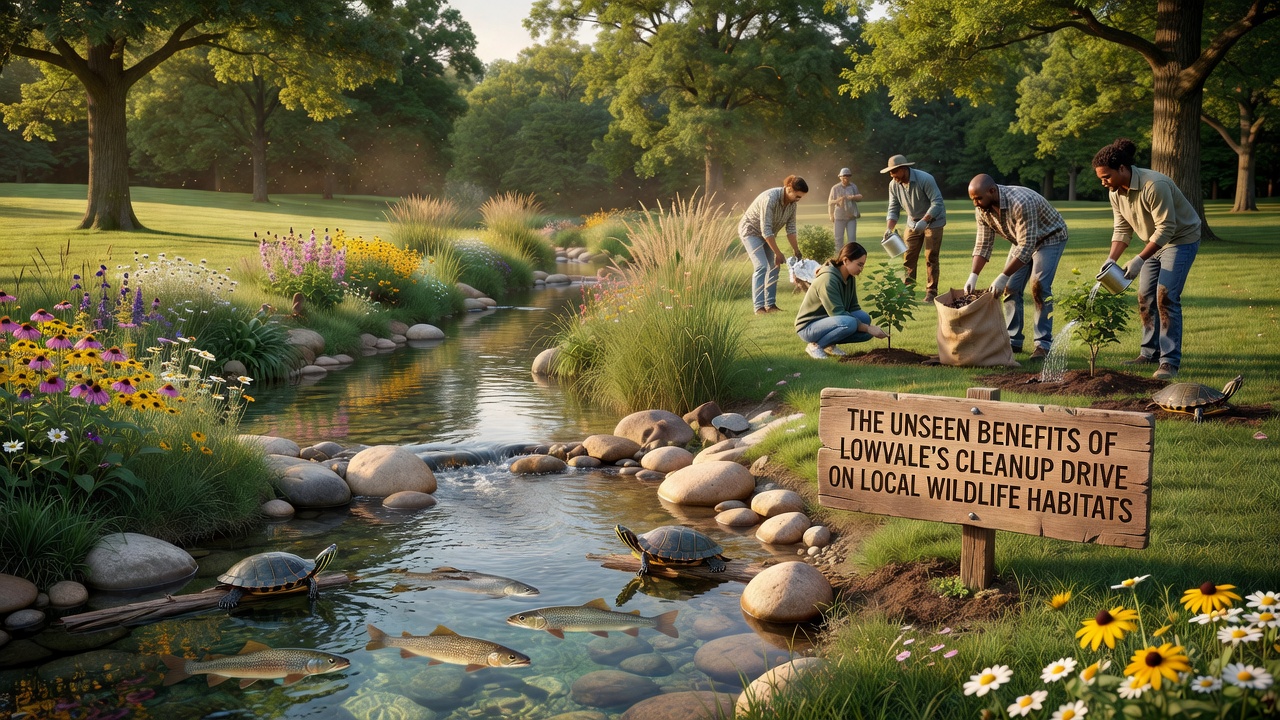
Teams collected over 12 tons of plastics and metals from waterways during the initial phases, and subsequent testing showed reduced contaminant levels in streams feeding into nearby wetlands. Researchers from regional agencies tracked increases in macroinvertebrate populations within three months, which in turn supported higher numbers of small fish species that depend on those food sources. Data collected through September 2026 indicated that dissolved oxygen readings improved by an average of 18 percent in treated sections compared with untreated control sites, allowing amphibians such as salamanders and frogs to expand their breeding ranges into previously stressed pools.
One monitoring station located downstream from the main cleanup zone recorded a 25 percent rise in native minnow schools, a change attributed to clearer water and fewer sharp objects that previously damaged spawning beds. These shifts occurred while surrounding land use remained unchanged, isolating the cleanup as the primary variable.
Terrestrial Habitat Connections
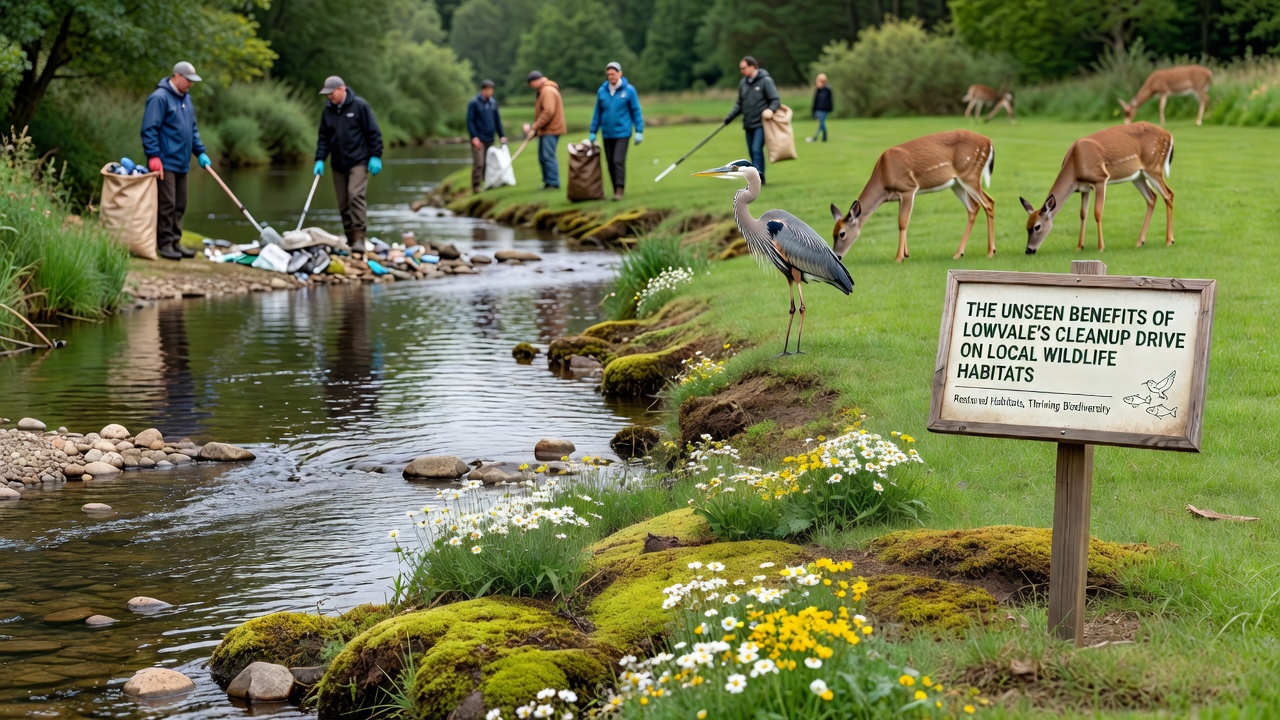
Woodland edges bordering cleaned trails showed renewed activity from ground-nesting birds once sharp debris and plastic fragments were cleared from the forest floor. Nesting success rates for species including song sparrows rose during the 2026 breeding season, according to surveys conducted by local naturalists. Soil samples taken before and after the drive revealed lower concentrations of microplastics, which researchers linked to better root development in native understory plants that provide cover for insects and small mammals.
Observers noted that pollinator visits increased in meadows adjacent to cleared zones, as flowering plants faced less competition from invasive litter that had previously smothered seedlings. These changes created connected corridors that allowed species movement between previously fragmented patches of habitat.
Longer-Term Monitoring Insights
Continued sampling through September 2026 captured gradual rebounds in bat foraging activity over restored open areas, with acoustic monitors logging more frequent calls from little brown bats and big brown bats. The removal of discarded containers eliminated breeding sites for mosquitoes while simultaneously opening space for dragonflies and damselflies that prey on those insects, shifting the local insect balance in favor of species that support bird populations.
Studies conducted by Canadian Wildlife Service biologists on similar municipal cleanup projects have shown comparable patterns of biodiversity recovery when waste removal is paired with ongoing habitat monitoring. A parallel report from the European Environment Agency highlighted how reduced plastic loads in soil and water can lower chemical leaching that affects reptile egg viability, providing context for the trends observed in Lowvale.
Conclusion
Lowvale's cleanup drive produced measurable habitat improvements that surfaced through systematic data collection rather than immediate visual changes alone. Water quality gains, soil condition enhancements, and species population rebounds documented by September 2026 illustrate how coordinated waste removal can support broader ecological functions across connected systems. Ongoing tracking will determine whether these early indicators stabilize or expand in subsequent seasons.